Building Your Dream Fitness Oasis: The Best Home Gym Equipment to Invest In
In today's hectic world, taking time for the gym can feel like a Herculean job. In between work commitments, family duties, and social engagements, squeezing in a workout often falls to the bottom of the top priority list. This is where the attraction of a home gym really shines. Think of entering a devoted space, simply steps away from your living-room, equipped with everything you require to accomplish your fitness goals-- by yourself schedule, and in complete privacy.
Establishing a home gym may appear challenging, but it's a financial investment in your health and well-being that can pay dividends for several years to come. The preliminary outlay can feel significant, however consider the long-term savings on gym subscriptions and the unrivaled convenience of having your fitness center readily offered, 24/7. Nevertheless, the sheer range of equipment readily available can be overwhelming. Where do index start?
This article acts as your comprehensive guide to browsing the world of home gym equipment. We will explore the most reliable and versatile pieces, assisting you curate a space that completely aligns with your fitness goals, budget plan, and readily available area. Whether you are aiming for cardiovascular endurance, muscle strength, enhanced versatility, or a mix of all 3, understanding the best equipment alternatives is the primary step towards building your dream fitness oasis.
Cardiovascular Powerhouses: Equipment for Endurance and Calorie Burning
Cardio exercises are necessary for heart health, weight management, and total fitness. Investing in reliable cardio equipment brings the advantages of running, cycling, or rowing right into your home.
Treadmill: The treadmill remains a cornerstone of cardio training. It's flexible, enabling strolling, jogging, and performing at differing inclines and speeds. Modern treadmills typically come geared up with pre-programmed workouts, heart rate monitoring, and even virtual running experiences.
- Pros: Excellent for mimicing outside running, adjustable intensity, appropriate for different fitness levels, frequently foldable for space-saving.
- Cons: Can be bulky and expensive, high effect on joints, can become dull for some.
Elliptical Trainer: This low-impact machine supplies a full-body workout by engaging both your upper and lower body at the same time. It's gentle on joints and effectively raises your heart rate.
- Pros: Low impact, full-body workout, peaceful operation, helpful for calorie burning and endurance.
- Cons: Can feel less interesting than other cardio options, might use up substantial flooring space.
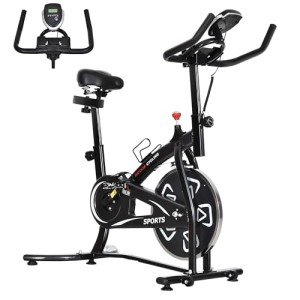
Stationary bicycle: From upright bikes to recumbent bikes and spin bikes, there's a stationary bicycle to fit every preference and fitness level. They are exceptional for lower body cardio and can be particularly helpful for individuals with joint problems.
- Pros: Low impact, outstanding for lower body strength and cardio, various types to select from (upright, recumbent, spin), often compact.
- Cons: Primarily targets lower body, can end up being repetitive, upright bikes can be unpleasant for some.
Rowing Machine (Rower): Often ignored, the rowing machine provides an incredible full-body workout. It engages significant muscle groups in your legs, core, and back, offering both cardiovascular and strength advantages.
- Pros: Full-body workout, low effect, excellent for developing general strength and endurance, folds for storage in many cases.
- Cons: Proper form is crucial to avoid injury, can be intimidating for newbies, some designs can be loud.
Dive Rope: Don't underestimate the power of simplicity! A dive rope is an extremely effective and cost effective cardio tool. It improves coordination, dexterity, and is a great calorie burner.
- Pros: Highly affordable, portable, excellent cardio workout, enhances coordination.
- Cons: Can be high effect, needs coordination, may not appropriate for really high-intensity for prolonged durations for some individuals.
Strength Training Essentials: Building Muscle and Power
Strength training is crucial for constructing muscle mass, increasing bone density, improving metabolism, and enhancing overall functional fitness. A fully equipped home gym ought to deal with your strength training requirements.
Dumbbells: A set of adjustable dumbbells or a selection of fixed-weight dumbbells is a cornerstone of any home gym. They are extremely flexible, permitting a large variety of exercises targeting every muscle group.
- Pros: Extremely flexible, space-efficient (especially adjustable variations), appropriate for all fitness levels, wide variety of exercises possible.
- Cons: Fixed-weight sets can end up being expensive and take up area, adjustable dumbbells can sometimes be less durable than repaired.
Barbell and Weights (Weight Plates): For major strength training, a barbell and weight plates are important. They enable compound exercises like squats, bench presses, and deadlifts, which are extremely reliable for developing general strength and muscle mass.
- Pros: Essential for compound workouts, enables heavy lifting and substantial muscle gain, long-term financial investment for major strength training.
- Cons: Requires more area, can be pricey, needs finding out correct form to avoid injury, may need a rack or mean safe storage and use.
Resistance Bands: These flexible bands use variable resistance and are incredibly versatile and portable. They are outstanding for warm-ups, cool-downs, assisting with bodyweight exercises, and even supplying challenging strength training exercises.
- Pros: Highly inexpensive and portable, flexible for different exercises and fitness levels, excellent for rehabilitation and travel workouts.
- Cons: Resistance may not suffice for innovative strength training, can break with time.
Kettlebells: Kettlebells use an unique mix of strength and cardio training. Their balanced out weight distribution engages your core and promotes functional motion patterns. They are outstanding for swings, squats, and other dynamic workouts.
- Pros: Full-body workout, enhances functional strength and power, versatile for various workouts, relatively space-efficient.
- Cons: Requires finding out correct strategy, can be challenging for newbies, private kettlebells can be pricey if building a full set.
Pull-up Bar: For upper body strength, a pull-up bar is a fantastic addition. Pull-ups are a highly efficient exercise for back, biceps, and shoulders. Entrance pull-up bars are a space-saving alternative.
- Pros: Excellent for upper body strength, relatively economical, space-efficient entrance designs offered.
- Cons: Can be challenging for beginners, doorway designs may have weight constraints, might damage doorframes if not set up correctly.
Power Rack or Squat Stand: If you are serious about barbell training, a power rack or squat stand considerably boosts safety and broadens exercise choices. They offer a protected location to carry out squats, bench presses, and other barbell workouts, and typically consist of pull-up bars and other functions.
- Pros: Enhances security for barbell training, enables solo heavy lifting, expands exercise choices, frequently includes pull-up bars and other features.
- Cons: Requires significant space, can be costly, might be overkill for novice or casual lifters.
Weight Bench: A weight bench is crucial for lots of dumbbell and barbell exercises, consisting of bench presses, dumbbell rows, and step-ups. Adjustable benches use greater versatility.
- Pros: Essential for numerous strength training exercises, increases exercise variety, adjustable benches offer greater flexibility.
- Cons: Takes up area, may not be essential for bodyweight-focused exercises, standard flat benches are less versatile than adjustable ones.
Beyond Cardio and Strength: Essential Accessories for a Well-Rounded Home Gym
Beyond the major equipment pieces, particular accessories enhance your home gym experience and contribute to general fitness and healing.
- Yoga Mat: Essential for extending, yoga, Pilates, and floor workouts. Supplies cushioning and grip.
- Foam Roller: Crucial for myofascial release, improving versatility, and reducing muscle soreness after exercises.
- Stability Ball (Swiss Ball): Versatile for core work, balance training, and even as a desk chair to promote active sitting.
Creating Your Home Gym Space: Practical Considerations
Establishing your home gym is not almost the equipment; it's likewise about developing a practical and inspiring area. Consider these factors:
- Space: Assess the available space and pick equipment that fits conveniently. Multifunctional equipment and foldable alternatives are perfect for smaller spaces.
- Floor covering: Protect your floor and moisten noise with gym floor covering mats.
- Mirrors: Help you monitor your form and boost the sensation of area in your gym.
- Ventilation and Lighting: Ensure good ventilation and bright lighting for a comfy and energizing workout environment.
- Music and Entertainment: Consider a stereo or television to keep you motivated and captivated throughout your exercises.
Structure Your Home Gym on a Budget and Prioritizing Equipment
Establishing a home gym doesn't have to spend a lot. Start with the fundamentals and gradually add more equipment as your fitness level and budget plan permit.
- Prioritize your fitness objectives: What are you intending to accomplish? Focus on equipment that supports those objectives initially.
- Start with the essentials: Dumbbells, resistance bands, a jump rope, and a yoga mat provide a great foundation for a well-rounded workout.
- Consider utilized equipment: Explore online markets or regional classifieds for excellent offers on secondhand equipment in great condition.
- Invest in quality over amount: Choose long lasting, trustworthy equipment that will last, even if it suggests starting with fewer pieces.
Conclusion: Your Personalized Path to Home Fitness
Building the very best home gym is a personal journey. There is no one-size-fits-all option. The perfect equipment for you depends upon your individual fitness objectives, preferences, budget plan, and offered area. By comprehending the diverse variety of equipment choices and thoroughly considering your requirements, you can produce a home gym that empowers you to achieve your fitness goals, conveniently and effectively, right within the convenience of your own home. Accept the journey, start developing your fitness sanctuary, and unlock a much healthier, stronger you.
Often Asked Questions (FAQs) about Home Gym Equipment:
Q: How much does it cost to set up a basic home gym?A: A standard home gym with necessary equipment like dumbbells, resistance bands, a jump rope, and a yoga mat can cost anywhere from ₤ 200 to ₤ 500. The expense can increase considerably with advanced equipment like treadmills, ellipticals, and weight makers.
Q: What is the most space-efficient home gym equipment?A: Resistance bands, dive ropes, adjustable dumbbells, and foldable treadmills or stationary bicycle are among the most space-efficient alternatives. Consider equipment that can be kept quickly when not in use.
Q: Do I require a great deal of space for a home gym?A: Not always. Even a little corner or a spare space can be changed into a functional home gym. Focus on choosing equipment that fits your offered space and think about multifunctional pieces.
Q: What are the most important pieces of equipment for a newbie home gym?A: For newbies, a fantastic starting point includes:* Resistance Bands: Versatile for different workouts and resistance levels.* Dumbbells (Adjustable or a Light Set): For strength training and muscle structure.* Yoga Mat: For floor workouts, stretching, and core work.* Jump Rope: For cardio and warm-ups.
Q: How do I preserve my home gym equipment?A: Regular cleaning is necessary. Clean down equipment after each usage. For treadmills and ellipticals, follow maker guidelines for lubrication and upkeep. Examine for wear and tear routinely and change parts as needed.
Q: Where can I buy home gym equipment?A: You can acquire home gym equipment from sporting products shops, fitness equipment retailers (both online and physical shops), and online markets like Amazon and eBay.
Q: Is it much better to buy brand-new or utilized home gym equipment?A: Both have pros and cons. New equipment features guarantees and remains in pristine condition. Used equipment can be more budget-friendly, however needs mindful inspection for damage and wear. Buying utilized from trustworthy sources can be an excellent compromise.
Q: How can I remain motivated to workout in my home gym?A: Set practical fitness objectives, create a workout schedule, track your progress, differ your routines to prevent dullness, and produce a motivating workout environment with music, lighting, and décor.
List of Essential Home Gym Equipment for Beginners:
Here is an easy list to get going with:
- Yoga Mat
- Resistance Bands (Set of varying resistances)
- Jump Rope
- Dumbbells (Pair of adjustable or light fixed-weight dumbbells)
- Foam Roller
List of Equipment for a More Comprehensive Home Gym:
If you have more area and a bigger budget, think about expanding with:
- Treadmill or Elliptical or Exercise Bike
- Barbell and Weight Plates
- Weight Bench (Adjustable)
- Pull-up Bar
- Kettlebells (Set of varying weights)
- Power Rack or Squat Stand (Optional, for advanced lifting)